

Money in Thailand: 2026 Guide
Thailand still runs on cash, but the digital age is catching up fast. If you are planning a trip in 2026, you need to be prepared for a dual system. You will need physical Baht for street food stalls and small guesthouses, but you can tap your way through big malls and convenience stores. The days of carrying giant wads of cash are ending, but the days of "Cash is King" are not over yet.
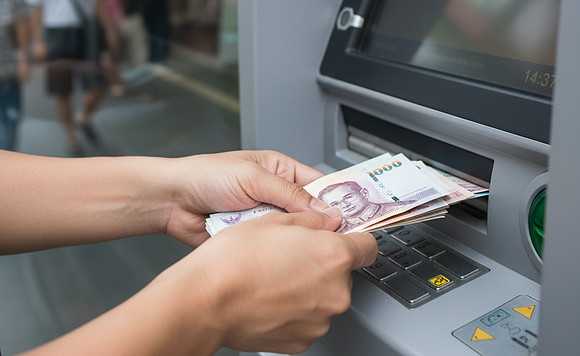
The ATM fees are a scam. There is no other way to put it. Every time you use an international card, the machine hits you with a fixed fee regardless of how much you take out. In 2026, that fee sits at 220 to 250 Baht per transaction depending on the bank, and the trend is heading upward. If you are not careful and you are making small, frequent withdrawals, you can lose a staggering percentage of your budget just to fees. This guide will show you how to minimize the damage.
Before you land, keep these 2026 realities in mind:
- ATM Fees: 220 to 250 Baht is the standard "tourist tax" on every single withdrawal.
- AEON Bank: The lowest fee in the country at 150 Baht - find these machines first.
- Dynamic Currency Conversion: Always choose "Continue Without Conversion" or "Charge in Thai Baht."
- Contactless Payments: Apple Pay and Google Pay work at NFC terminals in major cities, but not through the local PromptPay QR system.
- Cash Advance: The "Counter Withdrawal" trick can save on fees , but always ask first.
Best ATMs and Banks for Tourists
Not all ATMs are created equal. In Thailand, most machines look the same, but the limits and fees vary more than you would expect.
| Bank Name | Color | Max Withdrawal (2026) | Fee per Transaction |
|---|---|---|---|
| AEON | Blue/White | 20,000 Baht | 150 Baht |
| Krungsri | Yellow | 30,000 Baht | 220–250 Baht |
| Bangkok Bank | Dark Blue | 25,000 Baht | 220–250 Baht |
| SCB | Purple | 20,000 Baht | 220–250 Baht |
| Kasikorn (K-Bank) | Green | 20,000 Baht | 220–250 Baht |
The hidden winner: the AEON ATM. AEON Bank charges just 150 Baht per transaction, making it the cheapest ATM in the country for foreign cards. The catch is that the limit is 20,000 Baht and the machines are not on every corner. You will find them inside Big C, Lotus's, Makro, and MaxValu stores. If you are near one of those, seek it out first. Run the math: at 150 Baht versus 250 Baht, over a two week trip you can save several hundred Baht just by knowing where to look.
For sheer volume: go for the Yellow ATMs. If you cannot find an AEON, Krungsri (Bank of Ayudhya) is your next best option because they typically allow a 30,000 Baht withdrawal. A larger withdrawal means the fee represents a smaller percentage of your cash. At 250 Baht on a 30,000 Baht withdrawal, you are paying less than 1%. At 250 Baht on a 5,000 Baht withdrawal, you are paying 5%. The math makes the case for taking out more, less often.
Always use ATMs attached to a bank branch rather than standalone machines on a dark street corner. If the machine eats your card, you can walk inside and get it back immediately.
Using Credit Cards and Avoiding Fees
Credit cards are great for hotels and malls. In 2026, almost every 7-Eleven, supermarket, and department store in Thailand accepts Visa and Mastercard. Many now have no minimum spend policy, making it easy to put even a small purchase on plastic. That said, do not rely on it everywhere, the moment you step off the main tourist strip, cash remains king.
The "Counter Withdrawal" Hack. If you want to sidestep the ATM fee entirely, you can walk into a bank branch with your passport and ask for a "Cash Advance" or "Counter Withdrawal" directly at the teller. At some branches, this is processed for free or at a significantly lower fee. You will need to show your physical passport, and it takes ten minutes rather than thirty seconds. The critical caveat: some banks have quietly started charging their own counter fees, so always ask what the charge will be before you commit. Bangkok Bank and Krungsri branches in tourist areas tend to be the most tourist friendly for this.
Critical Tip: When the ATM asks whether you want to be charged in your home currency or Thai Baht, always choose Thai Baht. This is called Dynamic Currency Conversion, and the bank's rate is almost always a rip off compared to your own bank's rate. The option to see familiar numbers on the screen will cost you real money.
Apple Pay, Google Pay, and Contactless Payments
Can you use Apple Pay in Thailand in 2026? Yes, with an important asterisk. Apple Pay is not officially supported by Thai banks, meaning Thai residents cannot set it up. But if your card is already loaded into Apple Pay from your home country, you can use it at any terminal that accepts contactless NFC payments. That means 7-Eleven, Starbucks, Grab top ups, and most shopping mall stores will work fine. Google Pay functions exactly the same way.
What Apple Pay is NOT: a PromptPay solution. PromptPay is Thailand's national QR payment network, and it is excellent, but it is designed for people with Thai bank accounts. As a tourist, you cannot link your foreign card to scan those ubiquitous QR codes on market stalls and food courts. For most street food situations, you still need physical Baht in your hand.
The one exception worth knowing about: KBank has introduced a prepaid card called the PAY&TOUR card for tourists, linked to the TAGTHAi app. It allows foreigners to top up with foreign currency and then scan Thai PromptPay QR codes. It is not widely known yet and requires a visit to a KBank foreign exchange booth to set up, but if you are spending more than a week in Thailand and want to go genuinely cashless, it is worth investigating.
Money Safety and Practical Tips
Protect your plastic. Card skimming is less common than it used to be, but it still happens. Stick to ATMs in well lit, high traffic areas, inside a bank branch is always your safest bet. If you are paying at a restaurant, never let the waiter walk away with your card. They should bring the terminal to your table.
- Tell your bank before you go. If your home bank sees a sudden transaction in Bangkok, they may freeze your card. A two minute app notification before you travel saves a world of stress.
- Carry two cards. Keep them in separate places. Losing your only card in Thailand is a miserable experience that a backup card in your hotel safe completely avoids.
Keep a "Stash" of USD or Euros. It is always smart to have $100 in clean, crisp bills hidden in your luggage. If the banking system goes down or your cards fail, you can find a SuperRich exchange booth. They offer some of the best rates in the country. One important note: look for the genuine SuperRich with the orange or green branding, and avoid the look alike booths clustered around tourist hotspots.
Save More on Your Thailand Trip
Don't let bank fees eat your travel budget. In my Thailand Guide,