
About Itahari
Itahari, eastern Nepal's second-largest city after Biratnagar, sprawls 23 kilometers north of Biratnagar and 30 kilometers from the Indian border at the crossroads of the Mahendra Highway. What started as a modest trading post transformed into a bustling sub-metropolitan hub after the East-West Highway carved through in the 1970s, cementing its role as a commercial gateway. Upgraded to sub-metropolitan status in 2014 by merging nearby villages like Khanar and Pakali, this city of around 140,000 thrives on trade rather than tradition. Unlike Kathmandu's ancient temples or Chitwan's jungle mystique, Itahari's appeal may not make it a stand-out attraction as a "Place" to visit. However, this city that leads to Dharan, Ilam, and the Terai plains does have a crowning jewel.
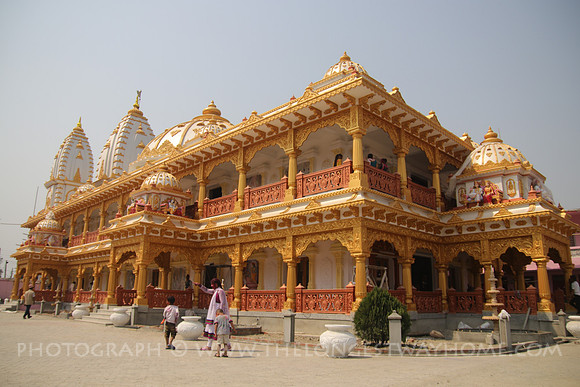
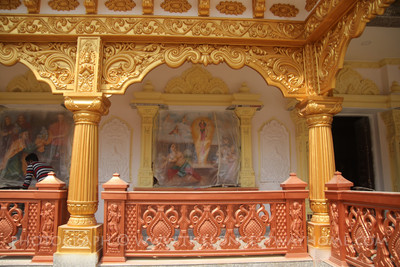
The city's crown jewel, Shree Krishna Pranami Mandir, rises beside the Budhi River as a palatial two-story spectacle of gold-tipped spires, vibrant domes, and intricate sculptures. Part of a global network of 600 Krishna temples, it dazzles amid the otherwise drab concrete of Itahari city. Moreover, its free entry welcoming pilgrims and curious travelers alike make it a genuine find for many.
On this page
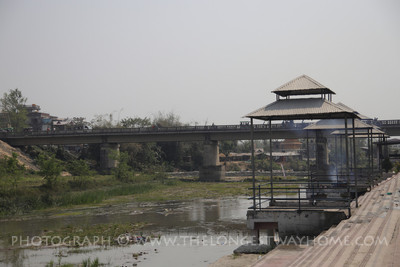
Itahari's roots stretch to the 1930s, when a Biratnagar-Dharan road first threaded through, replacing the old Pakali-Ramdhuni-Chatara route. The highway boom turned it into a logistics magnet, pulling in diverse migrants and erasing much of the cultural homogeneity found elsewhere in Nepal. Today, it's a city of business hotels, bazaars stocked with everything from handicrafts to fresh produce, and a few parks like Taal Talaiya, a 700-meter stroll from Itahari Chowk, where stone sculptures and a modest zoo draw local families on Saturdays. The Budhi River ghats, tied to the Krishna temple, host cremations, blending spiritual rituals with daily urban hum. While it lacks the historic weight of antiquity or the Newari charm of older cities, Itahari's utilitarian buzz makes it a practical base for exploring eastern Nepal's tea hills, wildlife reserves, and border towns. At 150 meters elevation in the Terai's flatlands, it's hot year-round, peaking in pre-monsoon April to June.
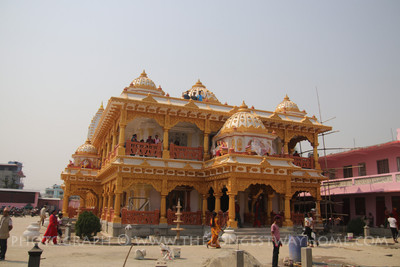
Itahari's strategic spot at the junction of routes to Biratnagar, Dharan, Birtamod, and beyond makes it more waypoint than destination, though the Krishna temple alone justifies a detour. The city hums with truck depots, bus parks, and lodges catering to Nepali businesspeople, its maze of side streets off the highway frustrating navigation but revealing pockets of local life. Bishal Bazaar, the main market hub, pulses with vendors hawking textiles, spices, and electronics, while the nearby agricultural research center at Tarhara offers a glimpse of the region's farming backbone. Kokarna Fun Resort, a Nepali family park across the river, and Taal Talaiya's sculpture-dotted grounds provide rare green respites. Most travelers pass through en route to Koshi Tappu Wildlife Reserve or Ilam's tea estates. A night here comes as an accident for most tourists. If you fancy a break from a long bus route, it's hard to recommend it for more than the Krishna temple. But the sheer vibrancy of this colourful spectacle of a temple makes it feel as though you've stumbled on something special, making it an accessible cultural anchor in a city otherwise driven by commerce.
Itahari: At a Glance
Main Highlight
Shree Krishna Pranami Mandir beside the Budhi River. Gold-tipped spires, painted sculptures, and two floors tracing Krishna's life. Free entry, no guide needed, plan for 1-2 hours.
Location
Mahendra Highway, eastern Nepal. 23km north of Biratnagar, 30km from the Indian border, 500km east of Kathmandu. 150m elevation in the flat Terai.
How Long to Stay
Half a day to one day. Most travelers treat Itahari as a one-night stopover between buses. The Krishna temple alone justifies 1-2 hours, the bazaars and Taal Talaiya fill the rest.
Climate
Hot year-round in the Terai. Pre-monsoon April to June peaks past 35°C. October to March is the comfortable window. Monsoon from July to September turns roads muddy.
Getting There
Fly Kathmandu to Biratnagar (USD $80-100, 35-50 min) plus 1 hr taxi (1,000-1,500 NPR). Direct bus from Kathmandu's Gongabu park takes 15-16 hrs (1,800-2,500 NPR). Dharan is 20 min north.
Information verified: October 2026
Visiting Itahari Today
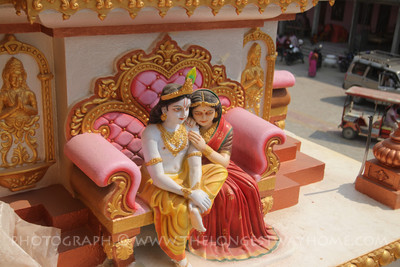
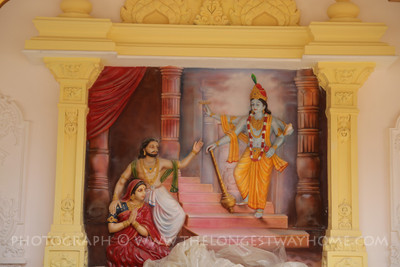
Itahari today feels less like a tourist draw and more like a functional crossroads, where travelers swap buses between Kathmandu, Biratnagar, Dharan, and the hills. The Mahendra Highway slices through its core, flanked by concrete hotels, repair shops, and cafes serving dal bhat to long-haul truckers. Yet the Shree Krishna Pranami Mandir, a gold-topped marvel hidden behind typical Nepali facades, redeems the city's utilitarian vibe. Built as part of a worldwide Krishna devotee network, this temple complex beside the Budhi River offers a palatial contrast to the surrounding grit. Brightly coloured spires, balconies adorned with sculptures, and immaculately kept grounds welcome all comers, with no entry fee. Inside, two floors of dazzling artwork trace Krishna's saga, from his 3,228 BCE birth in a northern Indian prison to his childhood flute-playing among gopis, his revelation as an avatar of the divine, and his death by arrow to the ankle, accepting the cycle of rebirth. The ghats below host cremations, adding a sobering spiritual layer to the temple's grandeur.
Beyond the temple, Itahari's appeal lies in its bazaars and proximity to greener escapes. Bishal Bazaar thrums with local energy, selling handicrafts, vibrant textiles, and fresh produce, though you'll want to scout stalls for quality. Taal Talaiya, a short walk from Itahari Chowk, offers stone sculptures from a 2024 international workshop, a small zoo, and a family-friendly fun park, crowded on Saturdays but quiet midweek. The Budhi River, flowing past the temple, provides a rare natural break from the urban sprawl. Kokarna Fun Resort across the water caters to Nepali families with rides and picnic spots, while the agricultural research center at Tarhara appeals to niche visitors interested in eastern Nepal's farming innovations. Most travelers treat Itahari as a one-night affair, fuelling up on spicy meals at Itahari Mall's eateries or Hotel Intourist Palace before pushing on to Dharan, Ilam, or beyond.
Activities in Itahari
Itahari's activities revolve around its temple, markets, and role as a jumping-off point. Entry to Shree Krishna Pranami Mandir is free, with no guide required, though respectful attire helps. The temple's upper floor offers panoramic views of the complex's golden spires and the Budhi River below, best visited early morning or late afternoon to dodge midday Terai heat. Allow 1-2 hours to absorb the sculptures and serene courtyards.
Bishal Bazaar, the commercial heart, sprawls with vendors hawking everything from electronics to local snacks. Haggling is expected, and mornings see the freshest produce. Pair this with a stroll to Taal Talaiya, where the sculpture park and zoo make for a low-key afternoon, though the zoo's small scale may disappoint wildlife enthusiasts spoiled by Koshi Tappu.
Day trips to Dharan, 20 minutes north, unlock kukri knife workshops and hill station vibes. Though if you are going to Dharan as a tourist, then it might make sense to make Itahari a short trip from there. For locals, Kokarna Fun Resort, a rickshaw ride from the city centre, offers Nepali-style amusement park thrills. The Budhi River ghats, tied to the Krishna temple, provide a contemplative spot to watch cremation rituals, a window into Hindu end-of-life traditions rarely accessible to outsiders.
For onward adventures, Itahari's bus park links to Koshi Tappu (2-3 hours west), Ilam (5-6 hours east via Birtamod transfer), and Biratnagar (1 hour south for flights). Walking the side streets reveals small neighbourhood temples and tea stalls where locals gather, offering unscripted glimpses of eastern Nepal's daily grind.
Nature lovers heading to the agricultural research center at Tarhara, 15 minutes out, can tour experimental farms, though this appeals mainly to students or agri-tourism enthusiasts. Taal Talaiya's Fun Park features basic rides and snack vendors for locals, a modest diversion before tackling the highway's next leg.
Activities & Tips
1. Shree Krishna Pranami Mandir: Free entry, both
floors accessible; spend 1-2 hours exploring sculptures and grounds.
3. Taal Talaiya Sculpture Park: 700m from Itahari
Chowk, features international stone art, zoo, and Fun
Park. It's not state-of-the-art, but again one for if you have
time to pass.
4. Day Trips to Dharan: 20-minute bus north to kukri knife workshops and hill station cooler temps.
The reality is, most people take a day trip from Dharan to
the Krishna temple!
5. Budhi River Ghats: Observe cremation rituals respectfully; tied to the Krishna temple's spiritual role.
Accommodation in Itahari
Itahari's lodging caters to Nepali business travelers, with budget spots hit-or-miss and mid-range hotels delivering decent value. The city's maze of side streets complicates finding addresses, so pin locations or ask hotels for landmark-based directions. Most places cluster near Itahari Chowk on the Mahendra Highway, simplifying access but amplifying traffic noise. Book ahead during festival seasons or when buses to Ilam and Koshi Tappu run full. See my Nepal Guidebook for more.
Getting There
Itahari sits on the Mahendra Highway, 500 km east of Kathmandu, making transport straightforward but time-consuming. Unlike Ilam's winding hill roads or Chitwan's shorter hops, this is a long haul best broken with an overnight before going onward to Ilam.
By Plane: Buddha Air and Yeti Airlines fly daily from Kathmandu to Biratnagar (USD $80-100, 35-50 minutes). From Biratnagar, taxis or rickshaws cover the 23 km to Itahari in about 1 hour for 1,000-1,500 NPR. Shared jeeps at Biratnagar's main chowk cut costs to 200-300 NPR per person but take longer with stops.
By Bus: Direct buses from Kathmandu's Gongabu bus park reach Itahari in 15-16 hours (1,800-2,500 NPR, day or night coaches). Night buses arrive bleary-eyed at dawn; day buses let you glimpse the Terai plains but drag. Book a day ahead during peak seasons. Alternatively, buses from Swayambhu park head to Dharan (20 minutes past Itahari), with drop-offs possible. Hotels in Itahari arrange onward tickets to Ilam, Koshi Tappu, or return to Kathmandu, saving bus park hassles.
By Jeep: Shared or private jeeps from Kathmandu (USD $30-50 per person shared, $200+ private) suit groups or those avoiding bus fatigue. Private jeeps drop directly at hotels; shared ones gather at Gongabu or Itahari Chowk. Faster than buses but pricier.
Travel Tip: Fly into Biratnagar to save 15+ hours of road grind, then bus back to Kathmandu to break costs. Monsoon July-September turns roads muddy; October-March offers smoother rides. Next, hop to Dharan (20 min), explore Koshi Tappu (2-3 hours west), or push to Ilam's tea estates (5-6 hours east via Birtamod transfer).
Map to Itahari
FAQs about Itahari
Itahari's Shree Krishna Pranami Mandir, a free-entry palatial temple with golden spires and intricate sculptures, stands as eastern Nepal's architectural surprise. The city also serves as a practical transport hub for Dharan, Ilam, Koshi Tappu, and Biratnagar, with lively bazaars and Budhi River ghats adding cultural texture.
Explore Shree Krishna Pranami Mandir (1-2 hours, free), shop Bishal Bazaar for handicrafts, visit Taal Talaiya's sculpture park and zoo, observe Budhi River ghat cremations, and day-trip to Dharan (20 min north) or plan onward journeys to Koshi Tappu and Ilam.
Fly to Biratnagar (USD $80-100, 50 minutes) then taxi to Itahari (1,000-1,500 NPR, 1 hour); or take a direct bus from Gongabu bus park (1,800-2,500 NPR, 15-16 hours). Private jeeps suit groups (USD $200+ from Kathmandu). Hotels arrange onward tickets.
October to March offers dry, cooler weather ideal for exploring the Krishna temple and bazaars. April to June is hot (35°C+) but manageable with early starts. Avoid July to September monsoons, when roads turn muddy and humidity soars, unless you're storm-chasing.
Hotel Intourist Palace (dbl $20-40+) balances cleanliness and dining quality; Hotel Verandah (dbl $45+) offers Itahari's plushest rooms with reliable hot water. Budget travelers try Guru Hotel ($18+) or Sumeru Hotel ($18-25+). Book ahead during festivals or peak travel to Ilam or Koshi Tappu.
About the Author
David Ways is an experienced travel writer and explorer who has spent years documenting the lesser-known corners of Nepal and beyond. With a passion for uncovering authentic cultural and spiritual experiences, he provides detailed guides to help travelers navigate destinations like Itahari with ease and insight. Learn more about David.
Get my Nepal Guidebook for the best in independent travel!
Articles are great, but 20 tabs open on the move isn't. In my guidebook I cover all attractions with well-researched information, photographs, itineraries, reviews, accommodation, restaurants, and travel-tested walking tours. It's an interactive and printable guidebook like no other.
- Complete Country Coverage: Kathmandu, Pokhara, Chitwan, heritage walks, and culture.
- Includes First Time Trekking: The entire beginner trekking guide is included right inside!
- Offline Interactive Maps: Zoomable maps and walking tours for seamless navigation.
Was this page helpful to you? If so please tell others!