
Table of Contents
Why Nepal is Ideal for Family Treks
Trekking in Nepal with kids has become increasingly accessible and family-friendly in recent years, combining safe, short Himalayan trails with rich cultural experiences. Improved infrastructure, experienced guides, and comfortable teahouses have made it possible for parents to introduce children as young as four or five to Nepal’s mountain magic. For a comprehensive overview, see my first-time visitor’s guide to traveling in Nepal.
Nepal offers an unmatched variety of trekking environments, from subtropical forests to glaciated valleys, all within relatively short travel distances. Roads now reach many trailheads, drastically reducing initial hiking time and making family logistics easier. Trekkers with kids can count on better accommodation, Wi-Fi connectivity, and access to basic amenities in most lodges. Moreover, the country’s deep hospitality culture turns even simple teahouse stays into engaging cultural exchanges for children, enhancing safety and enjoyment. Learn more about Nepal’s culture and etiquette to prepare for these interactions.
Age Appropriateness and Safety for Family Treks
While there are no fixed age restrictions, experts recommend evaluating maturity, stamina, and interest before choosing a route. Children under five typically enjoy being carried in supportive trekking carriers on short routes such as those around Pokhara like the World Peace Stupa (day hike) or Panchase Peak (2-3 days), or near Kathmandu - Shivapuri or Nagarkot. Kids aged five to seven can manage moderate ascents under 3,500 meters, and those eight and above can attempt classic routes like Poon Hill or the lower trails of Langtang Valley.
I'm not going to be recommending children trek with you to Everest Base Camp or anywhere over 5,000m. Has it been done? Yes. However, with altitude sickness there's a real and present danger that you as a parent need to access. Certainly discuss all trekking no matter the altitude with your family doctor before going. No matter the trek, learn about acclimatization.
Acclimatization is vital: gradual altitude gain, plenty of rest, and staying below 4,000 meters minimize AMS risk. Choosing trails with options to descend quickly to road access or urban centers increases safety margins. For detailed advice, read my guide on altitude sickness in Nepal.
| Age Range | Ideal Trek Duration | Altitude Range | Recommended Regions |
|---|---|---|---|
| Up to 5 years | 1–3 days | Below 2,500m | Nagarkot, Dhulikhel, Shivapuri, around Pokhara (World Peace Stupa, Panchase Peak) |
| 6–9 years | 3–6 days | Up to 3,200m | Ghandruk Loop (see Poon Hill), Mohare Danda |
| 10–13 years | 5–9 days | Up to 4,000m | Poon Hill, Langtang, Muldai |
| 14+ years Caution |
6 days | Up to 4,500m | Mardi Himal, Annapurna Base Camp |
Important: Seek medical advice before trekking with a child and discuss the altitude with the doctor before making a decision. You'll also need to choose the right policy for trekking insurance in Nepal. Check my guide on best travel insurance for trekking in Nepal.
Best Family-Friendly Treks in Nepal
Nepal offers several family-friendly treks with moderate ascents, cultural immersion, and safe accommodations. For a full list, check my guide to treks in Nepal with maps. Here are the top picks:
Panchase Trek (Annapurna Region)
The Panchase Trek is a 2–3 day trek reaching 2,500 meters at Panchase Peak, offering panoramic views of Machhapuchhre, Dhaulagiri, Annapurna, Lamjung, and Manaslu. Starting from Kande near Pokhara, families trek through farmlands, forests, and villages like Bhadaure and Bhanjyang. No permits are required, making it budget-friendly and ideal for beginners or families with kids aged 4–7. Teahouses provide basic accommodations, and the low altitude ensures safety for younger children.
Ghorepani–Poon Hill Trek (Annapurna Region)
One of Nepal’s most famous short treks, Ghorepani–Poon Hill reaches a maximum altitude of 3,210 meters. The four- to five-day circuit features spectacular sunrises over Annapurna and Dhaulagiri plus stays in friendly Gurung villages. Its moderate ascents and high-quality lodging make it ideal for families with older children aged 8+.
Muldai Trek (Annapurna Region)
The Muldai Trek is a 2–4 day trek reaching 3,637 meters at Muldai Peak, offering stunning 360-degree views of Annapurna South, Dhaulagiri, and more, similar to Poon Hill but without the crowds. Starting from Nayapul, families trek to Ghandruk, then Dobato, with a pre-dawn hike to the viewpoint. Community lodges provide basic but clean accommodations, perfect for families seeking a less commercial experience. This trek suits kids aged 8+ due to the altitude and early morning hike.
Mohare Danda Trek (Annapurna Region)
A 2–5 day trek to 3,313 meters, the Mohare Danda Trek offers a quieter alternative to Poon Hill with views of Dhaulagiri and Annapurna. Starting from Beni, families trek through orange groves and villages like Banskharka to the community lodge at Mohare Danda. No permits are needed, making it budget-friendly. Its moderate trails and cultural stops suit kids aged 6+ who enjoy village interactions.
Langtang Valley (Lower Section)
This route begins a half-day drive north of Kathmandu and rises gradually through forests and yak pastures. Families can turn around at Lama Hotel (3,000m) while still enjoying views of Langtang Lirung and Tamang culture. Explore more in my Langtang Valley Trek guide.
Mardi Himal Trek (Annapurna Region)
The Mardi Himal Trek is a 4–6 day trek reaching 4,500 meters at Mardi Himal Base Camp, offering stunning views of Machhapuchhre, Annapurna South, and Hiunchuli. Starting from Phedi near Pokhara, families trek through rhododendron forests and villages to High Camp (3,580m). Due to the higher altitude and moderate difficulty, it suits teens aged 14+ with good fitness and some trekking experience. Teahouses are available, but a guide is mandatory due to permit requirements and trail safety concerns.
Health, Comfort, and Logistics for Family Treks
Teahouse trekking is the standard option for families. Lodges at low altitude now provide private rooms, hearty meals, clean bedding, and solar hot water. Private rooms with attached bathrooms are available above certain points in the following treks Mardi Himal, Langtang, and Muldai - so do take this into account. In these areas the bathrooms would be shared as there simply aren't any lodges with facilities - this is normal when trekking in Nepal. One alternative parents with small children often use is a simple bucket in the room for a toilet - using the main shared bathroom to clean it out. Or to accompany their child to a shared toilet.
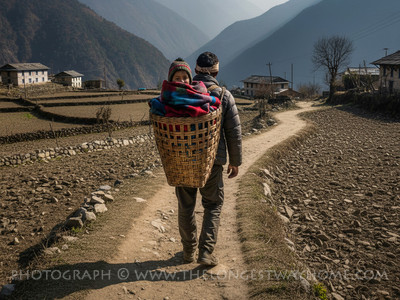
Porters are a major advantage when trekking with young ones. I do get asked a lot if a porter can carry a child? The answer is yes they can. This is usually a lot of fun for the child as the porter will be using a big basket on their back which the child can sit into with blankets making a soft sitting area. It is also possible for a porter to carry a child with a proper seat harness, though you would need to provide this. It is however important to note that carrying a child is extra work for the porter, and they won't be able to carry any other bags other than a small one for the child. Good trekking companies will have porters who have carried children before. Again, there is a weight restriction and porters don't carry over 20kg. For help finding a family-friendly guide or porter, see my Nepal trekking guide service.
Parents should pack purifying tablets, lightweight medical kits, sunscreen, and layered clothing. Guides trained in first aid add reassurance, and hiring a porter helps young trekkers rest when needed. For more on permits, see my trekking permits in Nepal guide.
| Type | Key Features | Family Advantages |
|---|---|---|
| Guide-only Teahouse Trek | Fixed-roof lodges, meals, local hospitality | Safe, sociable, cultural, you'll need to pay teahouses for accommodation and meals yourself. |
| Package Trek | Guide and porter team | Easier logistics, local expertise. Everything is paid for you. |
| Day Hikes | Short scenic circuits | Minimal gear, high flexibility |
Cultural Learning on the Trails
Children often find Nepal’s living traditions unforgettable from spinning prayer wheels, being blessed by monks, or chatting with local schoolchildren. Trails through Gurung, Magar, and Tamang communities double as cultural classrooms, promoting empathy and curiosity. Even downtime in teahouses can become educational, with kids picking up Nepali words or practicing sketches of mountain peaks. For more, read about the Nepali people.
A trekking guide versed in trekking with a family will also be good at explaining local animals, fauna, and indeed the mountains. For tips on choosing a guide, see my guide to finding a trekking guide in Nepal.
Packing Smart for Family Treks
Packing correctly for a Himalayan trek is half the success of a family adventure. For parents with children, lightweight efficiency is vital—you want to be ready for fast-changing weather but avoid overloading packs or porters. The key is layering, hydration, and preventive comfort items (snacks, warmth, hygiene). For a detailed packing list, see my guide to trekking gear for Nepal.
| Category | Items & Notes | Why It Matters for Kids |
|---|---|---|
| Footwear | Lightweight trekking boots, synthetic socks, backup sandals | Ensure boots are broken-in; sore feet and blisters are not good when trekking |
| Layering | Base layers, fleece, down jacket, wind-rain shell | Regulating temperature is essential as kids heat/cool faster |
| Lower Body | Trekking pants, leggings, thermal bottoms | Comfort and quick drying more important than brand |
| Accessories | Warm hat, sun hat, gloves, sunglasses, sunscreen | Protect from cold mornings and strong UV rays |
| Hydration | 2 refillable water bottles or hydration pack, purification tablets | Prevent dehydration and stomach upsets |
| Nutrition | Energy bars, trail mix, small candy rewards | Keeps morale high between teahouses |
| Evening Gear | Pajamas, extra socks, compact down or fleece jacket | For cooler temps in teahouses |
| Day Essentials | Lightweight backpack (20–35L), rain cover, trekking poles | Allows kids to carry small personal items safely while trekking poles help with balance and safety |
| Toiletries | Toothbrush, biodegradable soap, wet wipes, sanitizer, toilet paper | Maintain comfort despite basic facilities |
| Medical & Safety | Pediatric first-aid kit: plasters, Calpol, electrolyte packs, blister tape, sunblock | Addresses cuts, fatigue, dehydration |
| Comfort Items | Small toy, coloring pencils, journal, headlamp, power bank | Keeps downtime engaging during evenings |
| Logistics | Copies of IDs, cash (no ATMs en route), permits, trail app | Essential for check-posts and emergencies |
| Optional | Carrier/trekking harness for toddlers, thermos with milk powder | Adds security and familiarity for young children |
In general I've found parents and children prefer sticking to one trekking gear outfit which can be washed and dried in the afternoon when you wear a second relaxing evening outfit. Parents found kids most comfortable in snow suits or fleece layers for cold mornings, switching to T-shirts by midday when it gets hot. For more tips, see my Nepal trekking fitness guide.
Keeping Kids Engaged on the Trail
Children’s enjoyment is central to a successful Himalayan experience. Trekking should feel like discovery, not endurance. The tables below help plan for mental and emotional stamina as much as physical progress.
| Common Challenge | Simple Solution |
|---|---|
| Tired child mid-way | Hire local porter for partial carrying or use pony rides |
| Boredom between villages | Play “spot the prayer flag” or “find the next yak/donkey” games |
| Education | Have your guide play name the mountain (upgrading to spell the mountain), tree type, animal noise, learning to read a map and spot a village or place on it in person |
| Dislike of early starts | Begin later, weave breakfast treats into motivation. |
| Short attention span | Personal camera or sketchbook for documenting finds. See camera recommendations for trekking |
| Fear on bridges or steps | Turn crossings into small countdown challenges |
| Missing home or comfort | Share stories at teahouses, create a daily travel diary |
| Long evenings indoors | Bring cards, drawing pads, or ebooks for shared family time |
Common Excuses Children Use When Trekking
We've all heard the excuses children come up with. You know your child best when it comes to these. However, it is important to be aware of common ailments when trekking. Headaches and stomach aches are among the more serious to watch out for.
| Common Excuses | Simple Solution |
|---|---|
| "I'm bored" | Engage with short games like counting steps, spotting unique plants, or naming animals with the guide. Bring a small notebook for kids to draw or write about their day. |
| "When will we get there?" | Break the day into mini-goals (e.g., "We'll reach the next village after this hill"). Show progress on a simple map or let the guide point out landmarks. |
| "I'm hungry" | Carry small, high-energy snacks like trail mix or candy rewards in a kid’s backpack. Schedule snack breaks at scenic spots to keep morale high. |
| "It's too hard" | Use a porter to carry the child for short stretches or take frequent rest breaks. Encourage with small rewards like a favorite treat at the next teahouse. |
| "I want to go home" | Share stories of local culture or involve them in teahouse activities like learning Nepali phrases. A familiar toy or blanket can provide comfort. |
| "My feet hurt" | Check boots for fit before trekking and carry blister tape. Take short breaks to rest feet and massage with a soothing balm from the first-aid kit. Tiger Balm can be a quick fix for kids’ sore feet; the name alone sparks their imagination. |
| "I have a headache" | Check for signs of dehydration (lack of urination, dark urine) and ensure hydration. Headaches can indicate various issues, including altitude sickness, so evaluate your child carefully. |
| "My stomach hurts" | A rapid change in diet, trail meals, or different hygiene conditions can trigger a genuine upset stomach. Avoid spicy or unfamiliar foods when trekking. Meat at lower altitudes is generally safe, but it’s best to avoid due to unreliable refrigeration. Likewise, cheese in Nepal may not be made or stored as your child is used to. Bringing dried meat snacks can help. Eggs are generally safe when trekking. Evaluate your child’s stomach complaint, as it may be more than just an excuse to stop. |
Pre-planning can help with various "remedies" like Tiger Balm for sore feet or muscles and menthol sweets for energy or sniffles. However, when it comes to excuses to not trek, children may come up with many. Dehydration and stomach complaints should be taken seriously with an assessment of the actual cause.
Frequently Asked Questions about Family Trekking
There’s no strict minimum, but kids under 5 can use carriers for short treks like Nagarkot or World Peace Stupa. Ages 5–7 suit moderate routes like Mohare Danda, and 8+ can handle Poon Hill or Muldai. For teens 14+, consider Mardi Himal with caution.
Since April 2023, licensed guides (USD 30–50/day) are mandatory for protected areas like Annapurna (Poon Hill, Muldai, Mardi Himal). Mohare Danda doesn’t require permits but guides enhance safety and cultural learning. See Nepal trekking rules and guide services for details.
Stick to trails below 4,000m, like Mohare Danda (3,313m) or Muldai (3,637m), ascend gradually, and plan rest days. Avoid high-altitude treks like Everest Base Camp. Carry pediatric first-aid kits with electrolyte packs and consult guides trained in AMS prevention. Read more in my altitude sickness guide.
Mid-September–November and March–May offer clear skies and mild weather, ideal for trails like Poon Hill, Muldai, and Mohare Danda. Avoid June–August due to monsoon risks. See my best time to trek in Nepal guide.
Costs vary by trek and group size. Guide-only treks (e.g., Mohare Danda) cost $30–50/day for a guide, plus teahouse expenses ($30–40/day per person). Package treks (e.g., Poon Hill) range from $500–$800 per person, including permits, guides, and porters. Children don't get the discounts you might think then do - wasted food, extra meals to compensate often add up! Check my guide to trekking costs in Nepal for detailed estimates.
About the Author
David Ways is an experienced travel writer and explorer who has spent years documenting the hidden gems of Nepal and beyond. With a passion for uncovering authentic cultural and spiritual experiences, he provides detailed guides to help travelers navigate destinations like Koshi Tappu with ease and insight. Learn more about David.
Take the Guesswork Out of Your Nepal Trek
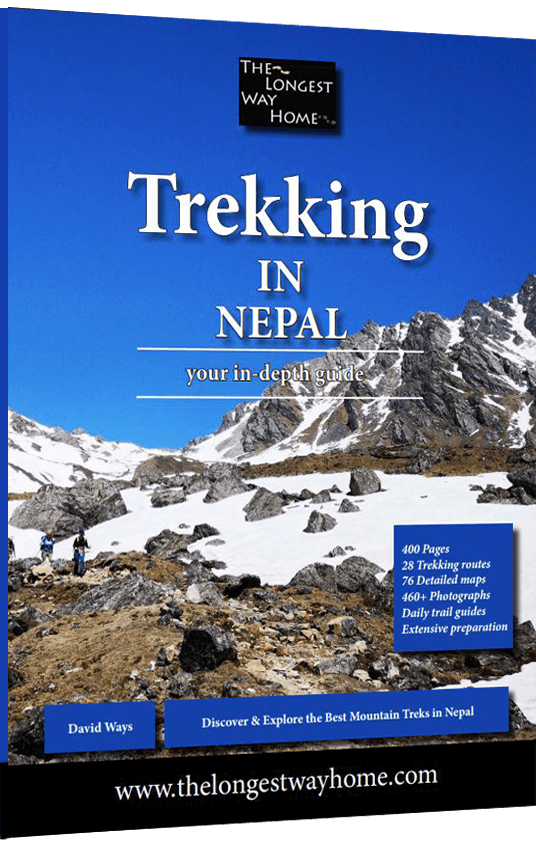
This article covers the essentials, but the trail is always changing. For the most reliable experience, I’ve compiled my years of on-the-ground research into the Trekking in Nepal Guidebook.
- Choose Your Format: High-resolution Digital for your phone or a Print edition for your backpack.
- Scalable Trail Maps: Detailed views that don't require a data connection or GPS.
- Real-World Logistics: Accurate trekking costs and safety protocols updated for the current season.
Includes this trek plus 28 other routes across Nepal.
See Guidebook & Print Options →Was this page helpful to you? If so please tell others!